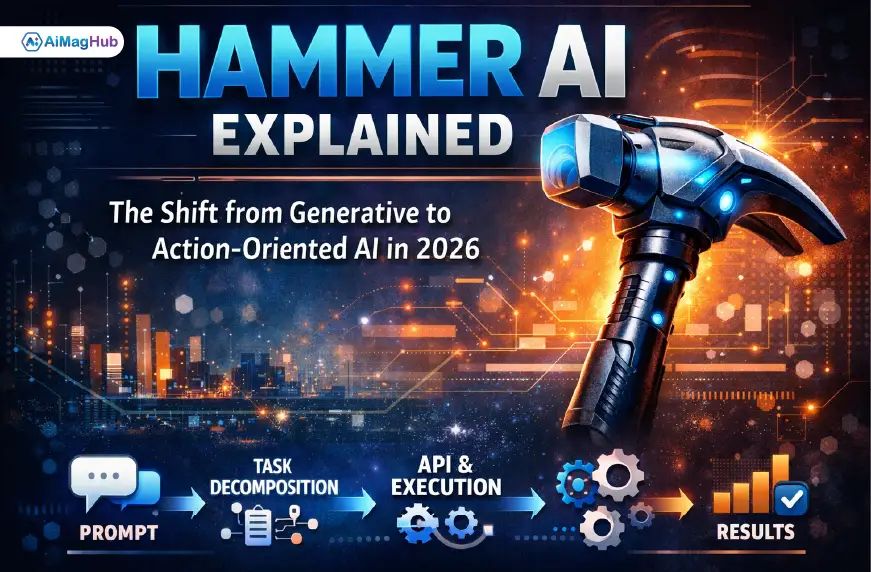
Artificial intelligence is evolving fast, and honestly it’s getting harder to keep up with every new tool entering the market. One name that has started appearing more frequently is Hammer AI. At first glance, it may sound like just another AI buzzword, but when you look closer, it represents a major shift in how AI is actually being used.
So what exactly is Hammer AI, and why does it matter right now?
In simple terms, Hammer AI refers to a category of task-oriented, execution-driven AI systems designed to not just generate ideas—but to actually do the work. And in today’s productivity-focused world, that’s a big deal.
What Is Hammer AI?
Hammer AI is best understood as part of the broader evolution toward agentic AI systems—tools that can plan, decide, and execute tasks autonomously.
Unlike traditional AI tools that generate text or images, Hammer AI focuses on:
- Executing workflows
- Automating repetitive operations
- Integrating with external tools and APIs
- Delivering results, not just suggestions
This shift aligns closely with emerging concepts like autonomous agents and Large Action Models (LAMs)—systems that don’t just predict text but interact with environments.
For example, frameworks like Chain-of-Thought (CoT) and ReAct (Reason + Act) allow AI to break down problems and take actions step by step, which is exactly how Hammer AI operates in practice.
Why Hammer AI Matters in 2026
The rise of Hammer AI reflects a bigger industry transformation—from generative AI to action-oriented AI.
Organizations today don’t just want content, they want outcomes.
According to insights from the World Economic Forum, automation and AI adoption are expected to significantly reshape business operations by improving efficiency, reducing costs, and enabling new digital workflows. While exact percentages vary by sector, the direction is clear—execution-focused AI is the next phase.
Key Drivers Behind This Shift
- Demand for automation at scale
- Growth of the API economy
- Increased adoption of AI agents in enterprise workflows
- Pressure on businesses to improve efficiency with fewer resources
Hammer AI fits directly into this transformation by enabling systems that can act, adapt, and complete tasks independently.
How Hammer AI Works
Understanding how Hammer AI operates is crucial, especially if you’re planning to use it in real-world scenarios.
Step-by-Step Workflow
- Prompt / Input
The user provides a goal or instruction (e.g., “analyze sales data and generate a report”). - Task Decomposition
The AI breaks the request into smaller steps using reasoning frameworks like CoT. - Execution Layer (Core Engine)
This is where Hammer AI stands out. It:- Calls APIs
- Executes scripts
- Accesses databases
- Automates workflows
- Feedback Loop
The system evaluates outputs, adjusts if needed, and continues until the task is completed.
Visual Workflow: How Hammer AI Executes Tasks
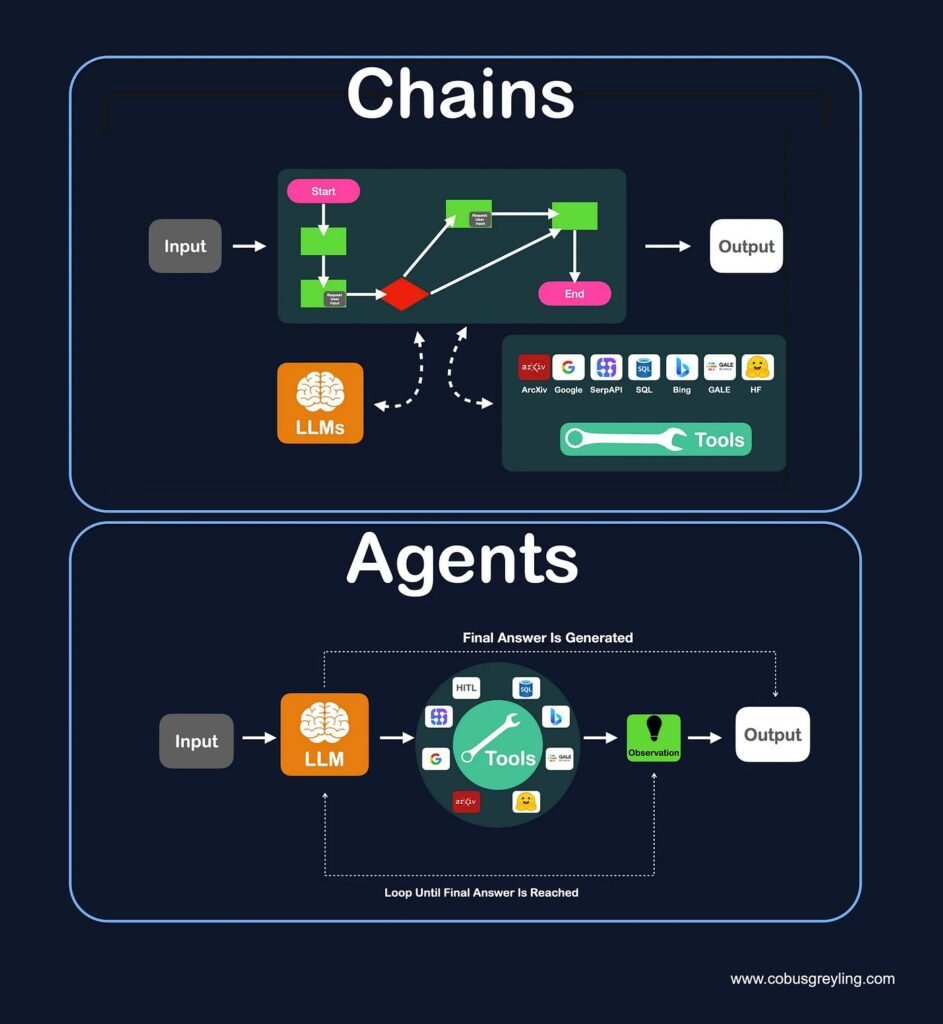
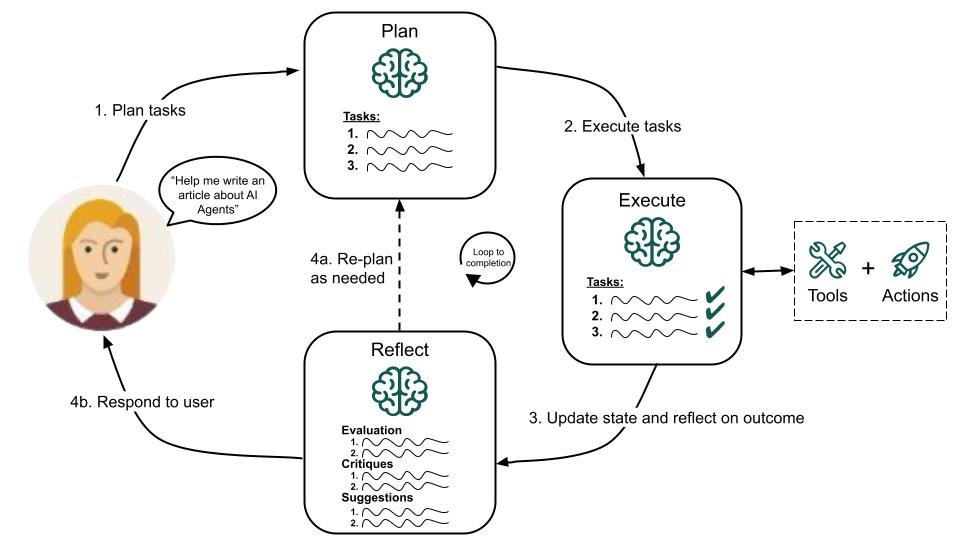

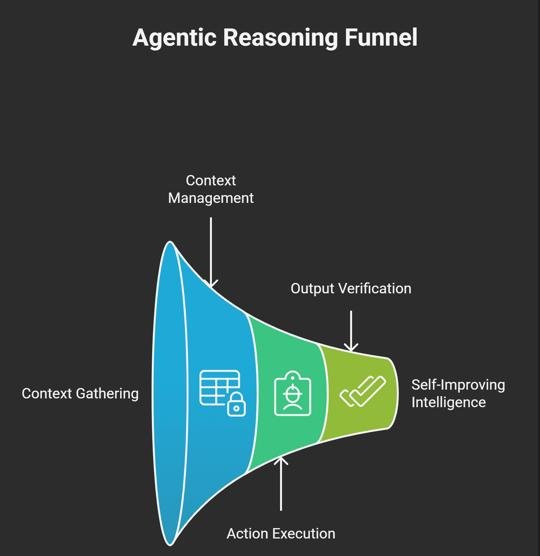
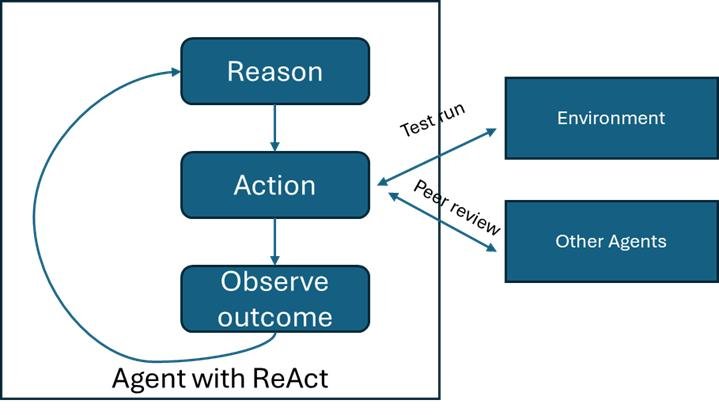
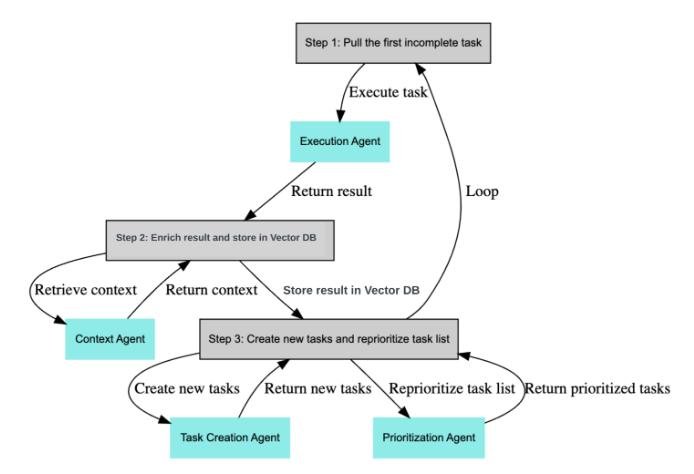
This workflow shows how Hammer AI transitions from a simple input into a fully executed outcome—something traditional AI tools struggle to do.
Real-World Use Cases of Hammer AI
1. Business Automation
Hammer AI is widely used to automate workflows such as:
- CRM updates
- Invoice processing
- Customer support responses
These are considered “low-hanging fruit” because they involve repetitive tasks that can be easily automated.
2. Software Development
Developers are using Hammer AI for:
- Writing and debugging code
- Automating testing pipelines
- Managing deployments
In many cases, it acts like a junior developer—fast, scalable, but still requiring supervision.
3. Data Analysis
Hammer AI can process large datasets, extract insights, and even generate reports. Tasks that used to take hours can now be done in minutes, although validation is still necessary.
4. Content Operations
Content teams use Hammer AI to:
- Automate SEO workflows
- Generate drafts and outlines
- Schedule publishing pipelines
It doesn’t replace creativity, but it speeds up execution significantly.
Hammer AI vs Traditional AI Tools
| Feature | Traditional AI | Hammer AI |
|---|---|---|
| Purpose | Generate content | Execute tasks |
| Interaction | One-step responses | Multi-step workflows |
| Automation | Limited | Advanced |
| Integration | Basic | Deep system integration |
| Output | Text/images | Actions + results |
This comparison clearly highlights why Hammer AI is gaining traction—it extends AI from thinking to doing.
Pros and Cons of Hammer AI
Pros
| Advantage | Explanation |
|---|---|
| High productivity | Automates complex workflows efficiently |
| Time-saving | Reduces manual effort significantly |
| Scalability | Handles large-scale operations |
| Versatility | Works across industries |
Cons
| Limitation | Explanation |
|---|---|
| Setup complexity | Requires configuration and integrations |
| Risk of errors | Needs human validation |
| Security concerns | Sensitive data handling must be managed |
| Learning curve | Teams need onboarding |
Security, Trust, and the “Human-in-the-Loop”
One important aspect often overlooked is trust and governance.
While Hammer AI is powerful, it should never operate fully unchecked. Businesses are increasingly adopting a Human-in-the-Loop (HITL) approach, where:
- Humans review outputs before execution
- Sensitive decisions require manual approval
- AI actions are logged and monitored
Key Security Practices
- Data encryption (in transit and at rest)
- Compliance with standards like SOC 2
- Role-based access controls
- API security management
These practices are essential, especially when dealing with financial, healthcare, or enterprise data.
Tips for Using Hammer AI Effectively
If you’re planning to integrate Hammer AI into your workflow, here are some practical tips:
- Start with simple automation tasks first
- Always include a review layer for critical processes
- Use it for repetitive, rule-based operations
- Integrate gradually with existing tools
- Monitor performance and refine workflows
It’s powerful, but you shouldn’t blindly trust it with everything right away.
FAQs About Hammer AI
What makes Hammer AI different from ChatGPT?
Hammer AI focuses on execution and automation, while ChatGPT primarily focuses on content generation and conversation.
Is Hammer AI safe for company data?
It can be safe if implemented correctly with proper encryption, compliance standards, and human oversight.
Can small businesses use Hammer AI?
Yes, and in many cases, small businesses benefit the most because it reduces workload without requiring large teams.
Does Hammer AI replace human workers?
No, it augments human capabilities. It handles repetitive tasks so humans can focus on strategic work.
How is Hammer AI related to autonomous agents?
Hammer AI is essentially a practical implementation of autonomous agent concepts, where AI systems can plan, act, and execute tasks independently.
Final Thoughts: Is Hammer AI Worth It?
Hammer AI represents a major shift in artificial intelligence—from generating ideas to actually delivering outcomes.
For businesses, developers, and even content strategists, this opens up new possibilities for automation and efficiency. However, it’s not a magic solution. It requires proper setup, monitoring, and responsible use.
Actionable Takeaways
- Explore Hammer AI tools for workflow automation
- Identify repetitive tasks in your business
- Combine Hammer AI with traditional AI tools
- Implement strong security and review systems
- Stay updated—this space is evolving rapidly
In the end, Hammer AI is not just another trend—it’s part of a deeper transformation in how work gets done. And if you understand it early, you’ll be in a much stronger position moving forward.
Visit: Aimaghub