
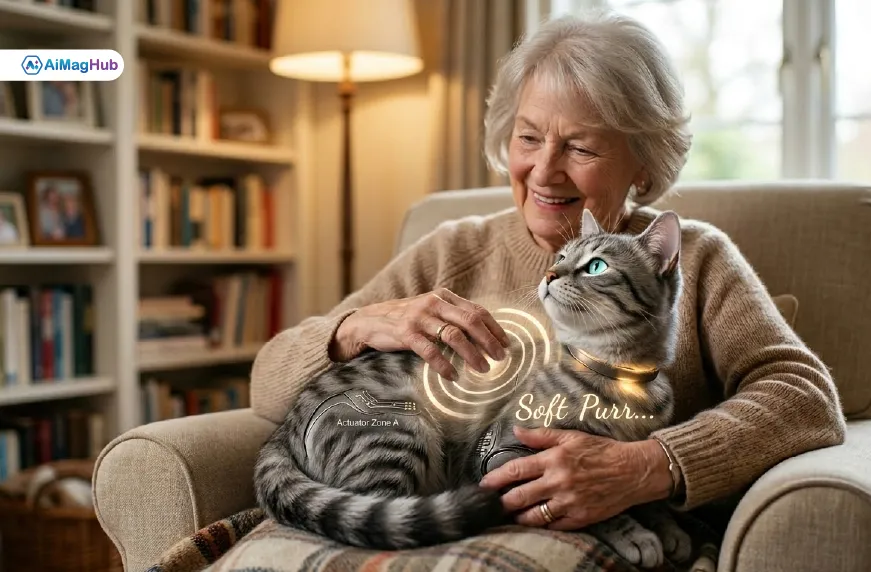
A robotic cat isn’t just a novelty anymore—it’s becoming a practical solution for companionship in modern life. Whether someone lives alone, struggles with allergies, or simply doesn’t have time for a real pet, these AI-powered companions are quietly filling a very real emotional gap.
And honestly, the tech has evolved fast. Today’s robotic cats can purr, respond to touch, and even simulate breathing in some cases. It’s kinda amazing to see how close they’re getting to real-life behavior.
In this in-depth guide, you’ll learn how robotic cats work, who they’re best for, and which models are actually worth buying in 2026.
What Is a Robotic Cat?
A robotic cat is an AI-driven electronic pet designed to replicate the look, feel, and behavior of a real cat. Using sensors, actuators, and machine learning, these devices respond to human interaction in surprisingly lifelike ways.
Unlike traditional toys, modern robotic cats can:
- React to petting with purring sounds
- Move their head, tail, and eyes naturally
- Recognize voices or patterns over time
- Provide emotional comfort in therapy settings
One of the most recognized examples in this space is Joy for All Companion Pet Cat, widely used in senior care and healthcare environments.
Why Robotic Cats Matter Today
Emotional Support Backed by Research
Robotic pets are not just gadgets—they’re used in real healthcare environments. According to research supported by organizations like the National Institute on Aging, companion robots can help reduce loneliness, anxiety, and agitation in older adults, especially those with dementia.
Clinical studies published in journals like Frontiers in Psychology and the Journal of Alzheimer’s Disease have shown similar results with robotic therapy animals.
Low Maintenance Lifestyle
No feeding, No litter. No vet bills.
For busy professionals or frequent travelers, this is honestly a huge advantage.
Allergy-Free Alternative
Pet allergies can make real cats impossible for some people. A robotic cat delivers similar comfort—without triggering allergic reactions.
Safe for Seniors & Dementia Patients
In care homes, robotic cats are used to:
- Reduce agitation
- Encourage interaction
- Provide a calming presence
And unlike real animals, they don’t bite, scratch, or behave unpredictably.
How Does a Robotic Cat Work?
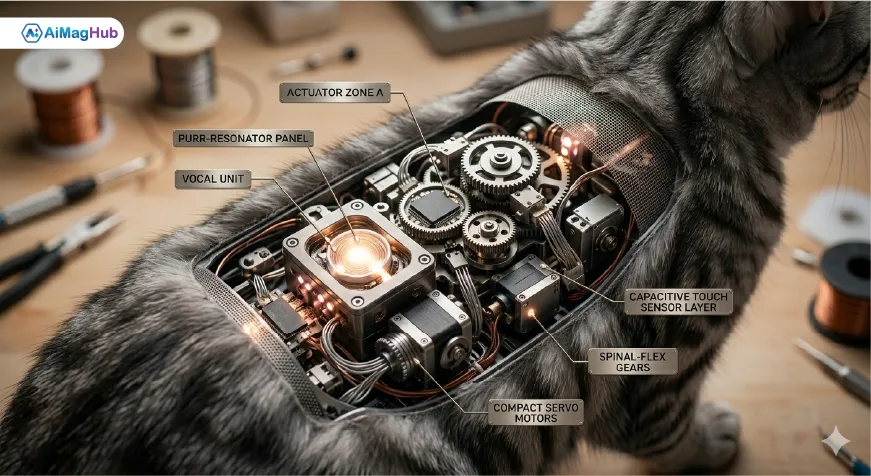
Sensors & Touch Response
Most robotic cats have built-in sensors that detect touch, motion, and sometimes sound. When you pet them, they respond with movement or purring.
AI Behavior Simulation
Higher-end models use basic AI to simulate personality. Over time, they adapt slightly to how you interact with them—it’s not perfect, but it adds a layer of realism.
Mechanical Movement
Tiny motors (servo systems) allow:
- Tail swishing
- Head turning
- Eye blinking
Some premium models even simulate breathing, which makes them feel more “alive” than you’d expect.
Best Robotic Cats of 2026 (Buyer’s Guide)
If you’re thinking about buying one, here are some standout options based on use-case and budget:
🟢 Budget Pick
- Simple robotic cats for kids
- Basic sound + limited movement
- Good for casual use
🟡 Therapy & Companion Pick
- Joy for All Companion Pet Cat
- Designed for seniors and emotional support
- Realistic fur, purring, and responsive touch
- Widely used in healthcare
🔵 Advanced AI Pick
- Inspired by products like Sony Aibo (dog, but tech comparable)
- Features include voice recognition, learning behavior
- App integration and smart features
- Higher price but more immersive
💡 Tip: If you’re new to robotic pets, start with a mid-range model before investing in high-end AI companions.
Robotic Cat vs Real Cat
| Feature | Robotic Cat | Real Cat |
|---|---|---|
| Maintenance | Very low | High |
| Emotional Bond | Moderate | Very strong |
| Cost (long-term) | One-time purchase | Ongoing expenses |
| Lifespan | 3–5 years peak (up to 10 with light use) | 12–18 years |
| Health Concerns | None | Requires vet care |
So yeah, robotic cats don’t fully replace real pets—but in certain situations, they’re actually the smarter choice.
Pros and Cons
✅ Pros
- No feeding or cleaning required
- Great for emotional support
- Safe for allergy sufferers
- Useful in therapy and healthcare
- Predictable and safe behavior
❌ Cons
- Limited emotional depth
- Requires charging or batteries
- Can feel artificial in cheaper models
- Higher-end models are expensive
Interactive Quiz: Is a Robotic Cat Right for You?
Ask yourself:
- Do you want companionship without responsibility?
- Are allergies or housing restrictions stopping you from owning a real pet?
- Are you buying for a senior or therapy use?
👉 If you answered “yes” to 2 or more, a robotic cat is probably a good fit.
Trends in Robotic Cat Technology (2026)
The industry is evolving quickly, with major improvements in:
- Emotional AI: Detecting user mood and responding accordingly
- Material realism: Softer fur, more lifelike textures
- Smart home integration: Connecting with apps and assistants
- Behavior learning: More adaptive and personalized responses
We’re not at “fully realistic” yet—but we’re getting closer every year.
FAQs
Yes. Studies show they can reduce agitation and improve emotional well-being in dementia patients.
Typically 3–5 years of peak performance, though some can last up to 10 years with light use.
Most don’t. Only advanced AI models require connectivity.
If you value convenience and low maintenance, then yes—they’re worth considering.
Final Thoughts
A robotic cat is not trying to replace real animals—it’s offering an alternative for modern lifestyles. And for many people, especially seniors or busy individuals, that alternative just makes more sense.
If you’re curious, don’t overthink it. Start small, test the experience, and see how it fits into your daily life. You might be surprised how comforting a “machine” can actually feel.
🎥 Bonus Tip
Before buying, watch real user demo videos on platforms like YouTube. Seeing how a robotic cat moves and reacts in real life gives you a much better sense than reading specs alone.
Related Article: Top Robotic Pool Cleaners of 2026: Efficiency, Costs, and Expert Buying Guide